
Popular Equipment And Products For Efficient Concrete Setup
Identify essential tools and materials that boost productivity and precision in concrete installation tasks.
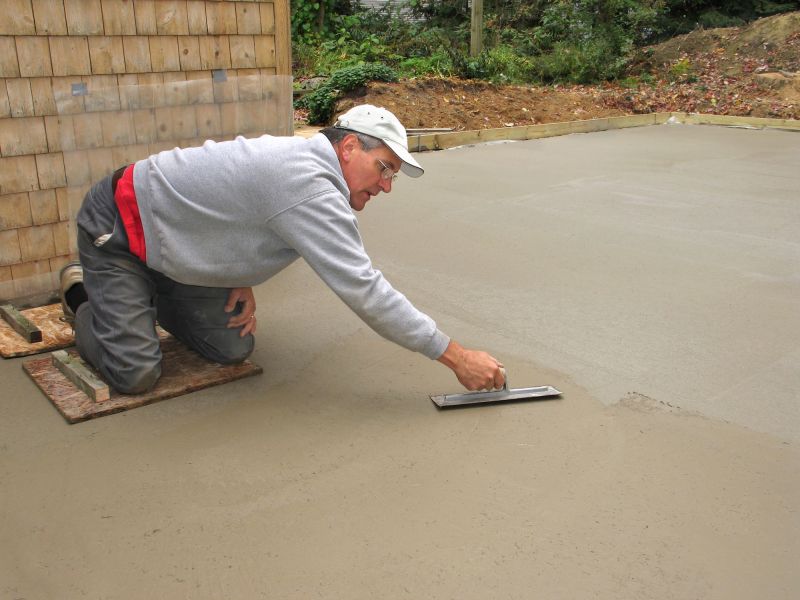 Concrete installations are foundational elements in many construction and renovation projects, offering durability and stability for various structures. Whether constructing new pathways, installing retaining walls, or pouring slabs for residential or commercial buildings, selecting the right products is essential for successful outcomes. The process involves multiple stages, including surface preparation, reinforcement, mixing, pouring, and finishing, each requiring specialized tools and materials. Properly chosen products not only facilitate smoother installation but also contribute to the longevity and safety of the finished project.
Top Overall Option
Concrete Mixing and Pouring Kit
A comprehensive concrete mixing and pouring kit provides all-in-one solutions for mixing, transporting, and pouring concrete. These kits typically include durable buckets, mixing paddles, and shovels designed to handle various project sizes. They are suitable for both small-scale repairs and larger installations, offering versatility and convenience for users. Properly used, such kits can help achieve consistent mixes and smooth pours, contributing to the overall quality of the finished concrete structure.
Types of Products For Concrete Installations
Concrete Mixes
Different concrete mixes are formulated for specific applications, offering varying strength, setting times, and workability to suit project needs.
Reinforcement Materials
Rebar, wire mesh, and fiber reinforcements help improve the tensile strength and durability of concrete structures.
Formwork and Molds
Forms and molds shape the concrete during pouring and curing, available in various materials like wood, metal, or plastic.
Concrete Vibrators
Vibrators help eliminate air bubbles and ensure proper compaction of the concrete for a solid finish.
Finishing Tools
Tools such as trowels, floats, and edgers are used to smooth and shape the surface of freshly poured concrete.
Expansion Joints
Expansion joints accommodate concrete movement due to temperature changes, preventing cracks.
Curing Compounds
Curing compounds retain moisture in the concrete, promoting proper curing and strength development.
Surface Sealers
Sealants protect concrete surfaces from water penetration, stains, and wear.
Concrete Pumps
Pumps facilitate the transportation of concrete from mixers to the pour site, especially in large or hard-to-reach areas.
Form Liners
Decorative liners create textured or patterned concrete surfaces for aesthetic finishes.
Anchor Bolts and Fasteners
Anchors secure fixtures and structural elements to concrete surfaces.
Concrete Curing Blankets
Blankets help retain moisture and temperature during the curing process, especially in cooler conditions.
Surface Preparation Equipment
Tools like grinders and scarifiers prepare existing concrete surfaces for repairs or overlays.
Waterproofing Membranes
Membranes protect concrete structures from water ingress and damage.
Concrete Edgers and Groovers
Tools that create clean edges and control control joints for aesthetic and functional purposes.
Chemical Admixtures
Additives that modify concrete properties, such as accelerating set time or improving workability.
Concrete Repair Mortars
Specialized mortars for patching and repairing damaged or deteriorated concrete surfaces.
Popular Choices
Pre-packaged concrete bags suitable for small to medium projects, offering convenience and consistent quality.
Reinforcing bars and mesh for adding tensile strength to concrete slabs and walls.
Flexible, reusable liners used to create textured or decorative concrete finishes.
Portable vibrators ideal for small-scale applications and detailed work.
Tools for smoothing and finishing concrete surfaces with precision.
Preformed materials that fill control joints to manage concrete movement.
Spray-on compounds that help retain moisture during curing, promoting better surface quality.
Protective coatings that enhance durability and appearance of concrete surfaces.
Equipment for moving concrete efficiently during large pours.
Molds used to imprint patterns onto wet concrete for aesthetic effects.
Fasteners for attaching fixtures securely to concrete surfaces.
Fabric covers that help control moisture and temperature during curing.
Equipment for cleaning and preparing existing concrete for repairs.
Sheets or sprays that provide water resistance for concrete structures.
Tools designed to create clean, professional edges on concrete slabs.
Additives to modify concrete properties for specific project needs.
Specialized compounds for patching cracks and surface damage.
In North Richland Hills, TX, where construction projects range from residential developments to commercial expansions, having access to quality concrete installation products is vital. From robust concrete mixes to specialized tools like vibrators and finishing trowels, the right equipment can make a significant difference in achieving professional results. Additionally, safety gear and accessories such as gloves, masks, and protective clothing are important to ensure worker safety during the installation process.
Understanding the variety of products available helps in making informed decisions tailored to specific project requirements. For example, different types of concrete mixes are designed for various load capacities and environmental conditions, while accessories like form liners and expansion joints help manage concrete's natural expansion and contraction. Proper planning and product selection can streamline the installation process, reduce errors, and enhance the quality of the finished work.
Investing in high-quality products for concrete installations ultimately supports the structural integrity and aesthetic appeal of the project. Whether you're a professional contractor or a DIY enthusiast, choosing the right tools and materials is a critical step toward achieving durable and reliable concrete structures in North Richland Hills, TX.
Key Buying Considerations
- Project scale and scope to determine appropriate product sizes and quantities.
- Type of concrete mix suitable for the application, considering load requirements and environmental conditions.
- Compatibility of reinforcement materials with concrete for structural integrity.
- Ease of use and handling of tools, especially for DIY projects.
- Durability and longevity of the products under local climate conditions in North Richland Hills.
- Compatibility of formwork and molds with the desired surface finish.
- Curing and finishing options to achieve optimal surface quality.
- Safety features and protective equipment included or recommended for use.
- Ease of transportation and storage of materials and tools.
- Availability of replacement parts or accessories for ongoing maintenance.
- Cost considerations balanced with quality and project requirements.
- Availability of technical support or guidance from suppliers.
- Environmental factors such as moisture, temperature, and exposure conditions.
- Compatibility of additives and admixtures with the base concrete mix.
- Reputation and reviews of product brands or manufacturers.