Optimal Timing for Concrete Installation
Concrete installation timing depends on climate conditions, project size, and specific site requirements. Proper timing ensures optimal curing and durability, reducing the risk of cracking or other issues.
Concrete performs best when temperatures are moderate, typically between 50°F and 85°F. Extreme heat or cold can affect curing and strength development.
Spring and fall are generally ideal for concrete work due to milder temperatures and lower humidity, which support proper curing.
Rain, snow, or high humidity can delay concrete installation or compromise the finish. Planning around weather forecasts is essential.
Scheduling during periods of stable weather allows for uninterrupted work and consistent results.

Ways to make Concrete Installations work in tight or awkward layouts.
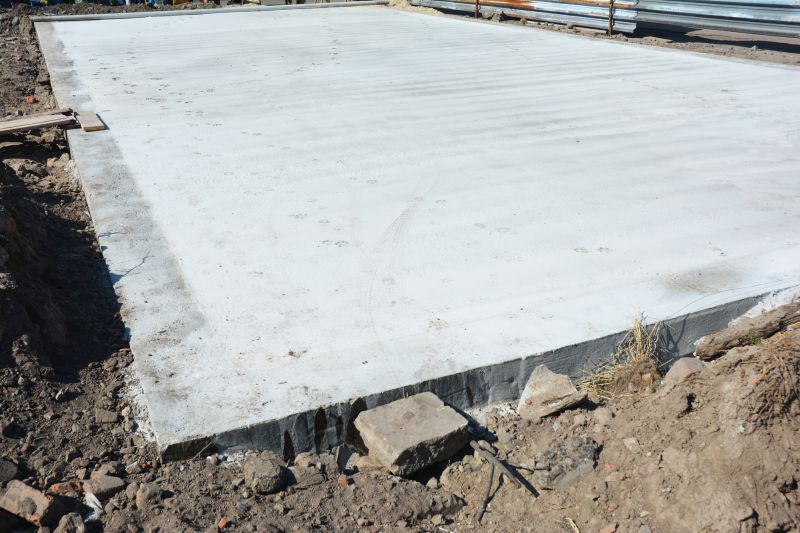
Popular materials for Concrete Installations and why they hold up over time.
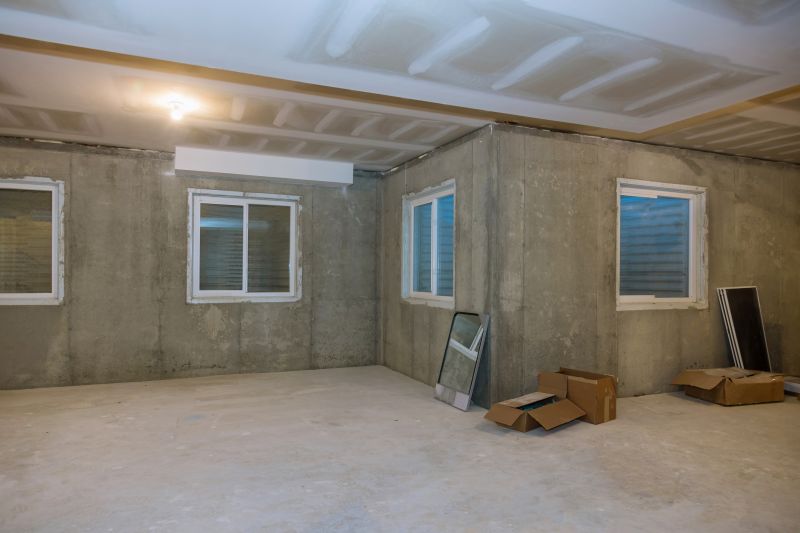
Simple add-ons that improve Concrete Installations without blowing the budget.
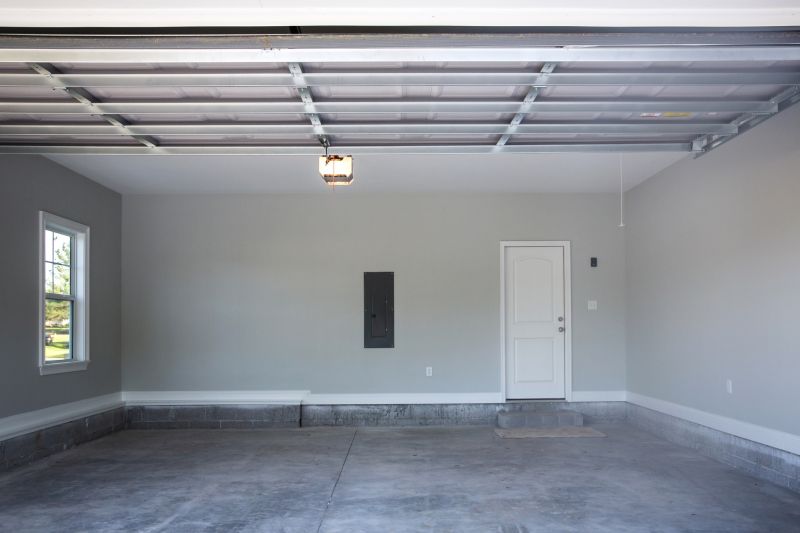
High-end options that actually feel worth it for Concrete Installations.
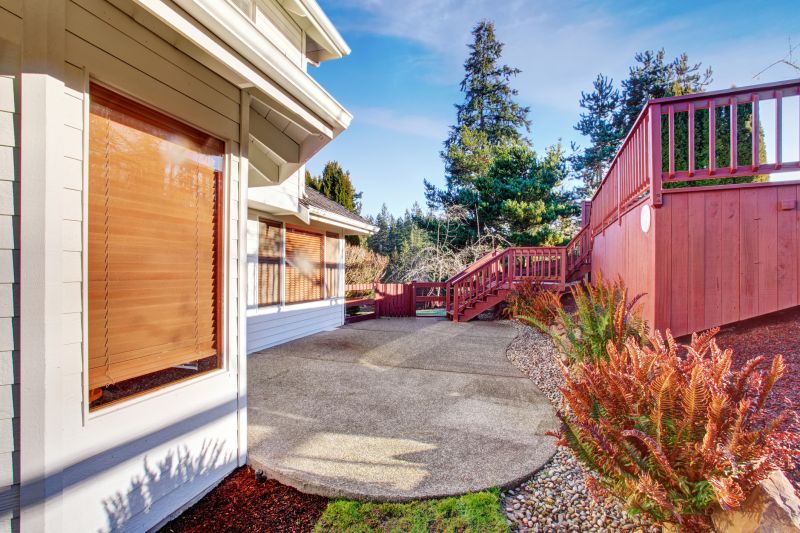
Finishes and colors that play nicely with Concrete Installations.

Little measurements that prevent headaches on Concrete Installations day.
Concrete installations are a crucial component of many construction projects, providing durable and versatile surfaces for driveways, patios, walkways, and more. Proper timing and planning contribute significantly to the longevity and quality of the finished surface.
Statistics indicate that concrete can last for decades when installed under optimal conditions. Proper curing, combined with suitable weather, minimizes cracking and structural issues. Planning installation during favorable weather windows can enhance performance and reduce maintenance costs.
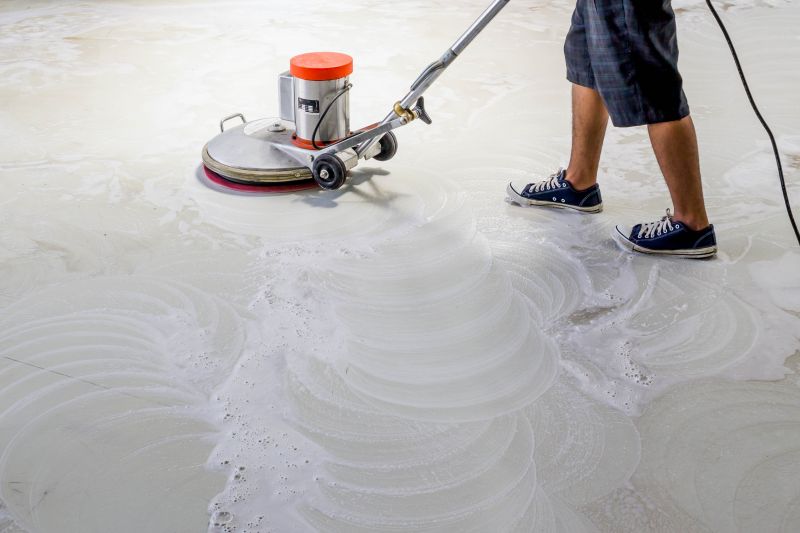
A 60-second routine that keeps Concrete Installations looking new.
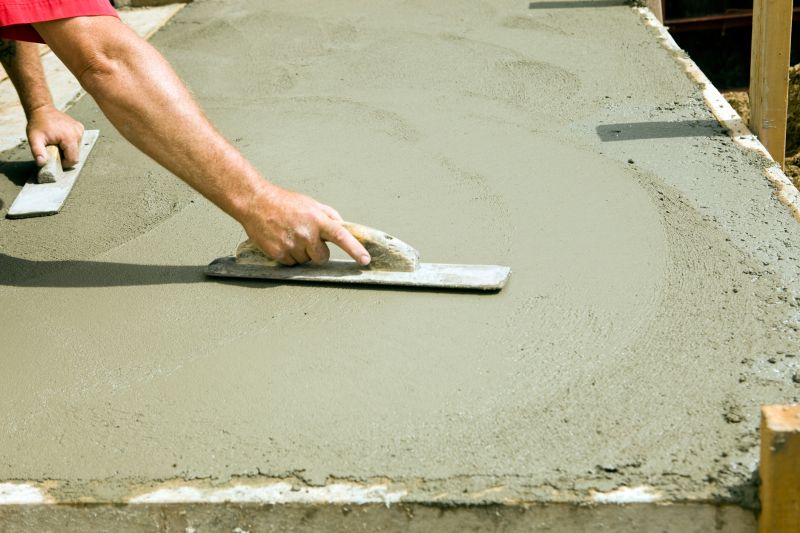
A frequent mistake in Concrete Installations and how to dodge it.
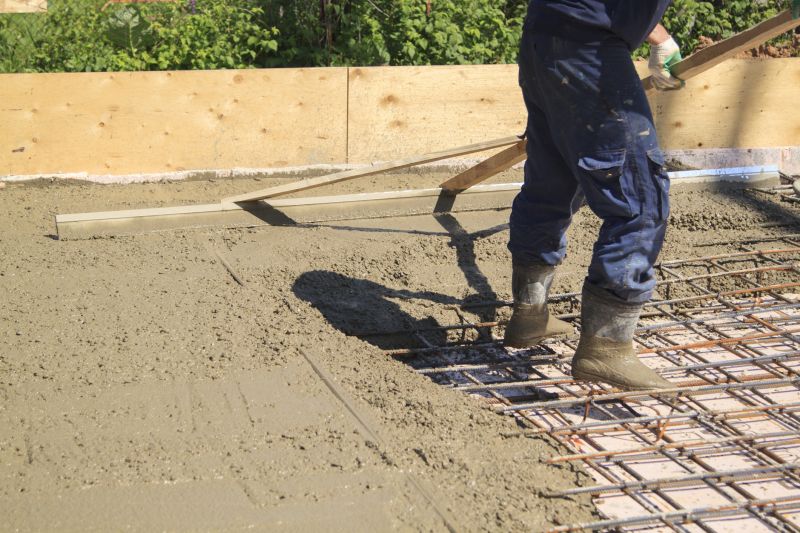
Small tweaks to make Concrete Installations safer and easier to use.
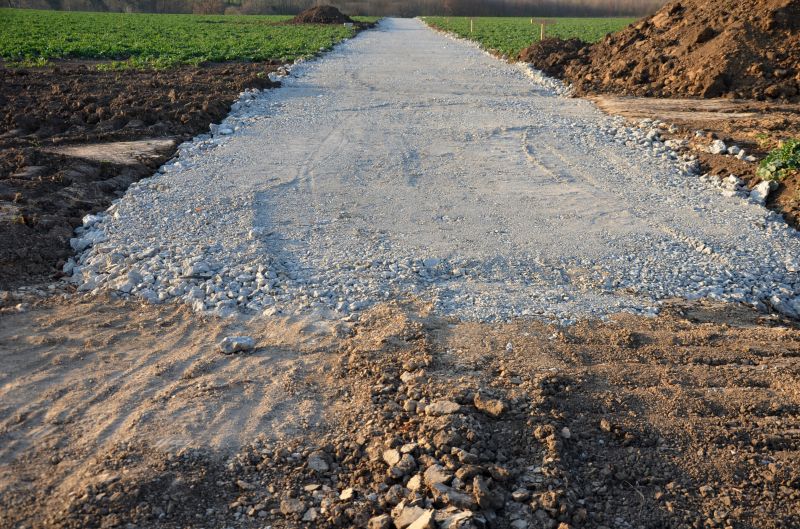
Lower-waste or water-saving choices for Concrete Installations.
| Season | Ideal Conditions |
|---|---|
| Spring | Moderate temperatures, low humidity |
| Summer | Early morning or late evening work recommended |
| Autumn | Mild weather, lower risk of temperature extremes |
| Winter | Requires heating measures or indoor placement |
| Rainy periods | Delay or protect with coverings |
Choosing the right time for concrete installation is essential for achieving durable and high-quality results. Proper planning around seasonal and weather conditions reduces the risk of defects and ensures the longevity of the surface.